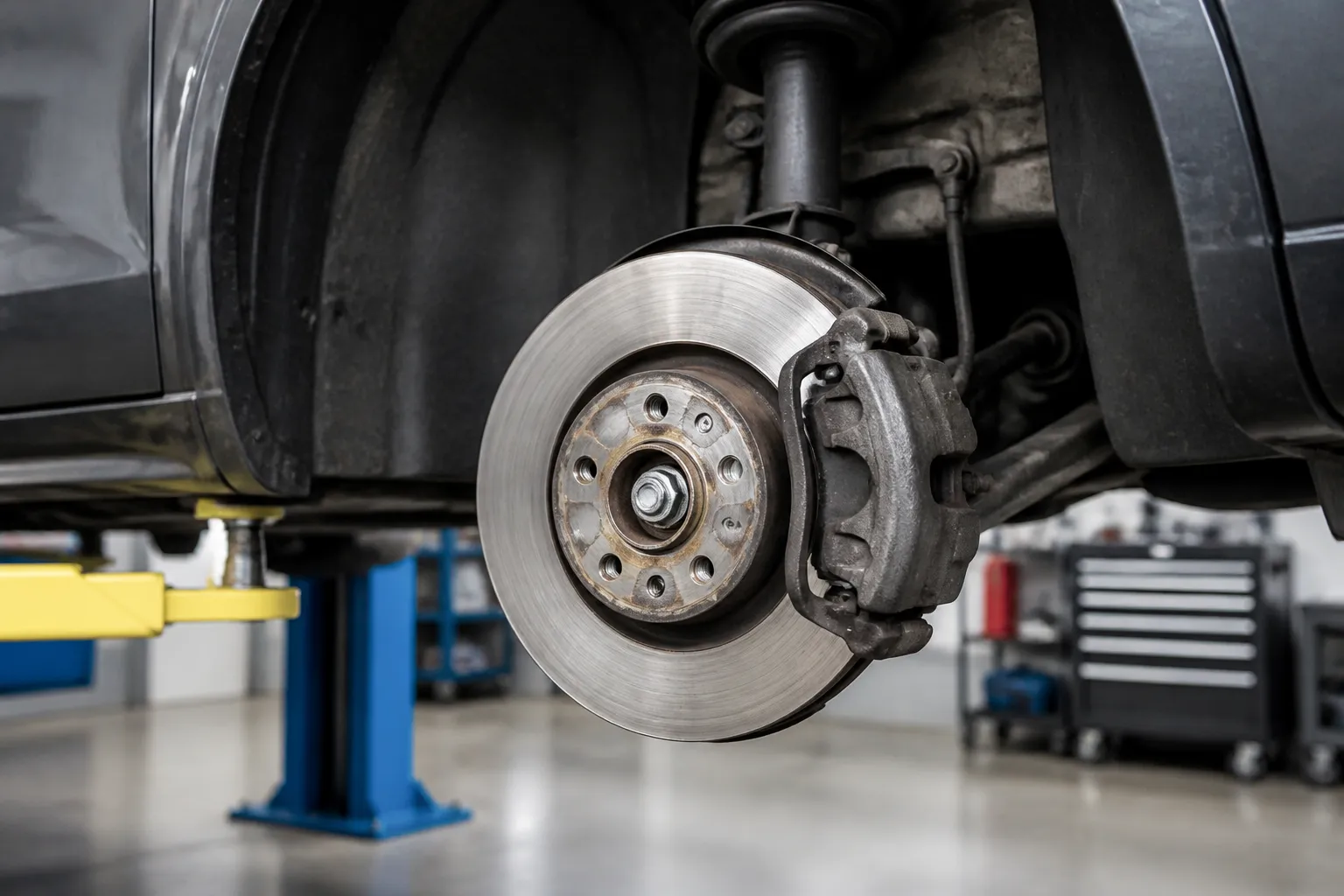
If your ABS warning light stays on, the brake pedal feels unusual, or the wheels seem to react differently during stops, your vehicle is asking for attention. Those signs can point to a sensor issue, wiring concern, hydraulic problem, or another fault within the anti-lock braking system.
Cruiser Auto Repair helps drivers around Glen Burnie sort out ABS concerns with clear diagnostics and straightforward repair guidance. If the warning light came on suddenly or the braking feel has changed over time, we can inspect the system, identify the cause, and outline the next step without unnecessary guesswork.
The anti-lock braking system is designed to help you maintain control during hard stops and slick road conditions. When something is wrong, the symptoms are often noticeable before the fix is obvious. A warning light is the most common sign, but it is not the only one worth paying attention to.
If you notice any of the following, your vehicle should be checked soon:
These symptoms do not always mean the same repair. Some cases come down to a single wheel speed sensor, while others involve wiring, a control module, a damaged tone ring, or low brake fluid. That is why diagnostics matter before replacement work begins.
ABS diagnostics are more than reading a warning light code and swapping parts. We inspect the system from the warning light to the wheel end, looking for the source of the fault and any related condition that may be contributing to it.
We begin by pulling ABS-related fault information and reviewing what the vehicle is reporting. That gives us a direction for the inspection and helps narrow down whether the issue is electrical, sensor-related, or tied to another brake component.
After the scan, we look over visible ABS components, connectors, and related brake parts for wear, damage, corrosion, or loose connections. If a wheel speed sensor or tone ring is involved, that area gets careful attention.
Because ABS works alongside the standard braking system, we also check related brake conditions that may affect the diagnosis. That includes fluid condition, brake wear concerns, and anything else that could influence how the system behaves.
Good diagnostics save time and help avoid replacing the wrong part. When a vehicle arrives for ABS concerns at Cruiser Auto Repair, we follow a practical process built around the symptoms the driver is seeing and the data the vehicle provides.
We start with your description of the warning light, noise, pedal feel, or driving behavior. Small details can matter, especially if the issue happens only during braking at certain speeds.
We read the ABS system information to find stored codes and related clues. That helps us focus on the most likely source instead of guessing.
If the code points to a wheel sensor, wiring path, or another area, we inspect that section closely. Visible damage, contamination, or loose mounting hardware can all matter.
Once the likely cause is found, we confirm it before recommending repair. That way you know what failed and what it means for the vehicle.
This approach helps us give you a clearer answer on what is going on and what service should come next.
ABS concerns can come from several different places, and some faults create more than one warning symptom at once. A light on the dash may seem simple, but the root cause can be a worn sensor, damaged wiring, or a mechanical issue at one wheel.
Some faults appear after a sudden bump, a brake job, or normal wear over time. Others show up without any clear event. Either way, the symptom is worth checking before it turns into a more complicated brake concern.
ABS does not replace standard brakes, but it does help the vehicle manage wheel lockup when conditions demand it. When the system is not working as intended, the warning light may be the only obvious sign at first, but the loss of that support is still important.
Drivers around Glen Burnie often continue driving with the light on because the vehicle still stops. That can be misleading. The brakes may still operate, but the anti-lock feature may not be available when you need it most. Early diagnostics help you address the issue before it turns into repeated warning lights, poor brake response, or extra wear from an unresolved fault.
After diagnosis, we explain what we found and what your vehicle needs next. Some ABS issues can be corrected with a targeted repair, while others require more than one related fix. The point is to give you a clear path forward, not a vague recommendation.
When the fault is isolated, we can focus on the specific part of the system causing the concern. That may involve a sensor, connector, wiring repair, or another related component.
If the ABS concern is tied to a broader brake issue, we can address the related service at the same time. This helps avoid chasing the same warning light again after only part of the problem has been handled.
We also let you know what symptoms to watch for after the repair and what should feel different once the issue is resolved. That gives you a better sense of how the vehicle should respond on the road.
Cruiser Auto Repair serves drivers near Glen Burnie who need clear brake system answers without the runaround. The shop is located at 87 Dover Rd NE Ste E, Glen Burnie, MD 21060, USA, and we offer appointment-based service during weekday business hours.
If your ABS light is on and you want a straightforward inspection, call +14105828990 or email cruiserautorepair@gmail.com to schedule a visit. We handle ABS diagnostics along with related brake and maintenance services, so you can bring the concern to one place and get a clear next step.
An ABS light means the anti-lock braking system has detected a fault and stored a warning. The issue may involve a sensor, wiring, control module, or another related component.
Some vehicles still stop normally with the light on, but the anti-lock feature may not be available. It is smart to have the system checked before the problem grows or affects more than one part of the brake system.
No. Some drivers notice a dashboard light first, while others feel a change in pedal response, hear a noise, or notice the brakes acting differently during certain stops.
No. A scan gives useful information, but the diagnosis should also include inspection of the related components and wiring so the actual cause can be confirmed.
Yes. Depending on the vehicle, an ABS fault can also affect traction control or related brake warnings, since those systems often work together.
Bring the vehicle, note any warning lights or symptoms you have seen, and be ready to explain when the issue started. Details about when the light appears or how the brakes feel can help us narrow the diagnosis faster.

Book Your Visit
Tell us what your vehicle needs, whether it is scheduled maintenance, a warning light, brake concerns, or help with a breakdown. Our team is ready to help you move forward with clear communication and efficient service.