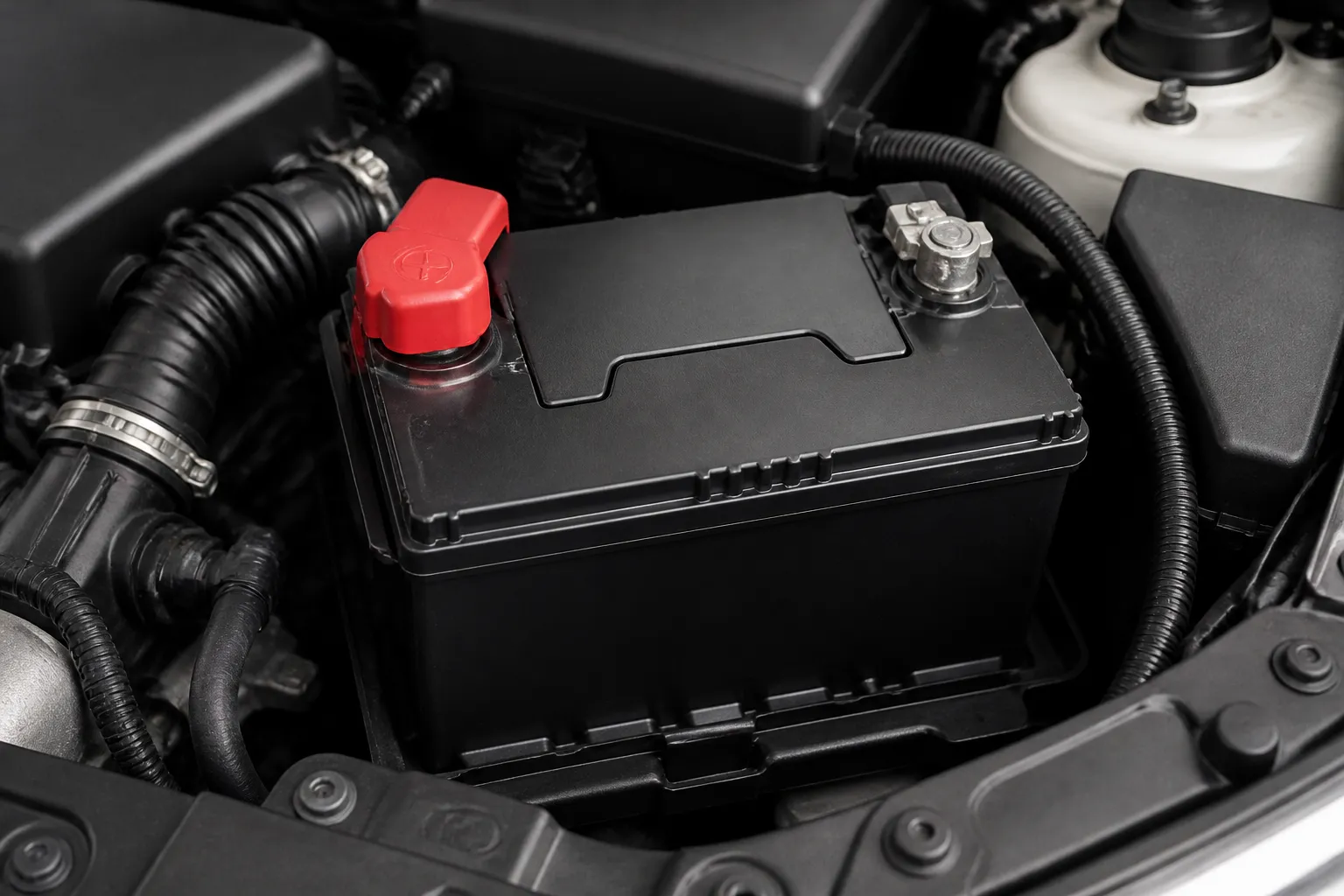
When your car cranks slowly, clicks instead of starting, or loses power without warning, a weak battery may be the reason. You may also notice dim headlights, dashboard lights that flicker, or electronics that act oddly after a short drive. Those signs usually mean it is time to have the battery checked before a simple start-up problem turns into a no-start situation.
Cruiser Auto Repair helps drivers across Glen Burnie sort out battery problems with clear answers and straightforward service. If the battery is near the end of its life, we can replace it and make sure the vehicle is ready for everyday driving, short errands, and longer trips around town. If the issue points somewhere else, we will help identify what is causing the power problem so you are not left guessing.
A failing battery often gives a few warning signs before it quits completely. Some drivers notice the problem only on cold starts or after the vehicle has sat for a day or two. Others see small electrical changes first, then sudden starting trouble.
These symptoms do not always mean the battery is the only issue, which is why a careful check matters before replacing parts you may not need.
Battery replacement should solve a real problem, not just treat a symptom. Before installing a new battery, we look at the condition of the existing battery and the basic charging system so the new part has the right support.
We examine whether the battery is weak, damaged, or simply too worn out to hold a charge the way it should. If the battery is already near the end of its service life, replacement is usually the practical next step.
Sometimes the battery itself is not the only concern. If the alternator is not charging the battery correctly or there is another electrical issue, the new battery may not last. That is why a replacement visit should start with a real diagnosis, not a guess.
Loose or corroded battery terminals can create starting trouble too. We check the visible connection points so the new battery can do its job without avoidable resistance or poor contact.
Drivers often want to know what happens during a battery replacement visit. The process is usually straightforward, but it should still be handled carefully so the vehicle does not leave with hidden electrical problems or weak connections.
This helps cut down on repeat visits and gives you a clearer picture of what was causing the problem.
A weak battery can create more than a hard start. It can leave you stranded at the worst time, interrupt your routine, and make other electrical issues harder to sort out. Replacing a failing battery at the right time can restore reliable starting and reduce stress every time you turn the key or press the button.
There is also a practical side to it. A battery that is struggling can place extra strain on the charging system and make it harder to tell whether another part is failing. Addressing the battery early helps keep the diagnosis clear and the repair process simpler.
Glen Burnie drivers rely on their vehicles for work, errands, appointments, and daily family routines. When the battery starts acting up, it helps to have a local shop that can inspect the problem and take the next step without delay or confusion. Cruiser Auto Repair works with drivers who want straightforward service, transparent pricing, and clear communication about what the vehicle needs.
We also handle extended warranty repairs and work with the warranty company on the customer’s behalf when applicable. If the battery concern turns out to be part of a larger electrical or mechanical issue, we can help you understand the next repair path before you make a decision.
Some battery problems are easy to miss until they become more obvious. If you notice any of the following, it is smart to have the vehicle checked soon:
Not every symptom points to the battery alone, but all of them deserve attention before they become a bigger inconvenience.
Battery replacement is one of those repairs that can make an immediate difference in how the vehicle feels day to day. A strong battery supports reliable starts, steady electrical performance, and fewer surprises when you are heading out the door. If your vehicle has been slow to start or showing signs of power loss, it is worth having it checked before the problem leaves you stuck.
For battery replacement service near Glen Burnie, schedule a visit with Cruiser Auto Repair at 87 Dover Rd NE Ste E, Glen Burnie, MD 21060, or call (410) 582-8990. You can also reach us by email at cruiserautorepair@gmail.com.
Slow cranking, repeated jump starts, and dim electrical performance are common clues. A proper inspection helps confirm whether the battery is the issue or whether something else is affecting starting.
Yes. Low battery power can make lights, electronics, and starting behavior act unpredictably. It can also make it harder to tell whether another charging issue is present.
If the battery is already showing warning signs, replacement before a full failure can help avoid a no-start situation. That is especially helpful if the vehicle is used often for commuting or scheduled errands.
A jump start can get the vehicle moving, but it does not mean the battery is healthy. If the problem returns soon after, the battery or charging system should be checked.
Not always. Starting trouble can also come from the alternator, terminals, or other electrical concerns. That is why a diagnosis matters before replacement.
Bring the vehicle as it has been acting, and note any warning lights or repeated symptoms. That information helps narrow down the cause and speeds up the inspection.

Book Your Visit
Tell us what your vehicle needs, whether it is scheduled maintenance, a warning light, brake concerns, or help with a breakdown. Our team is ready to help you move forward with clear communication and efficient service.