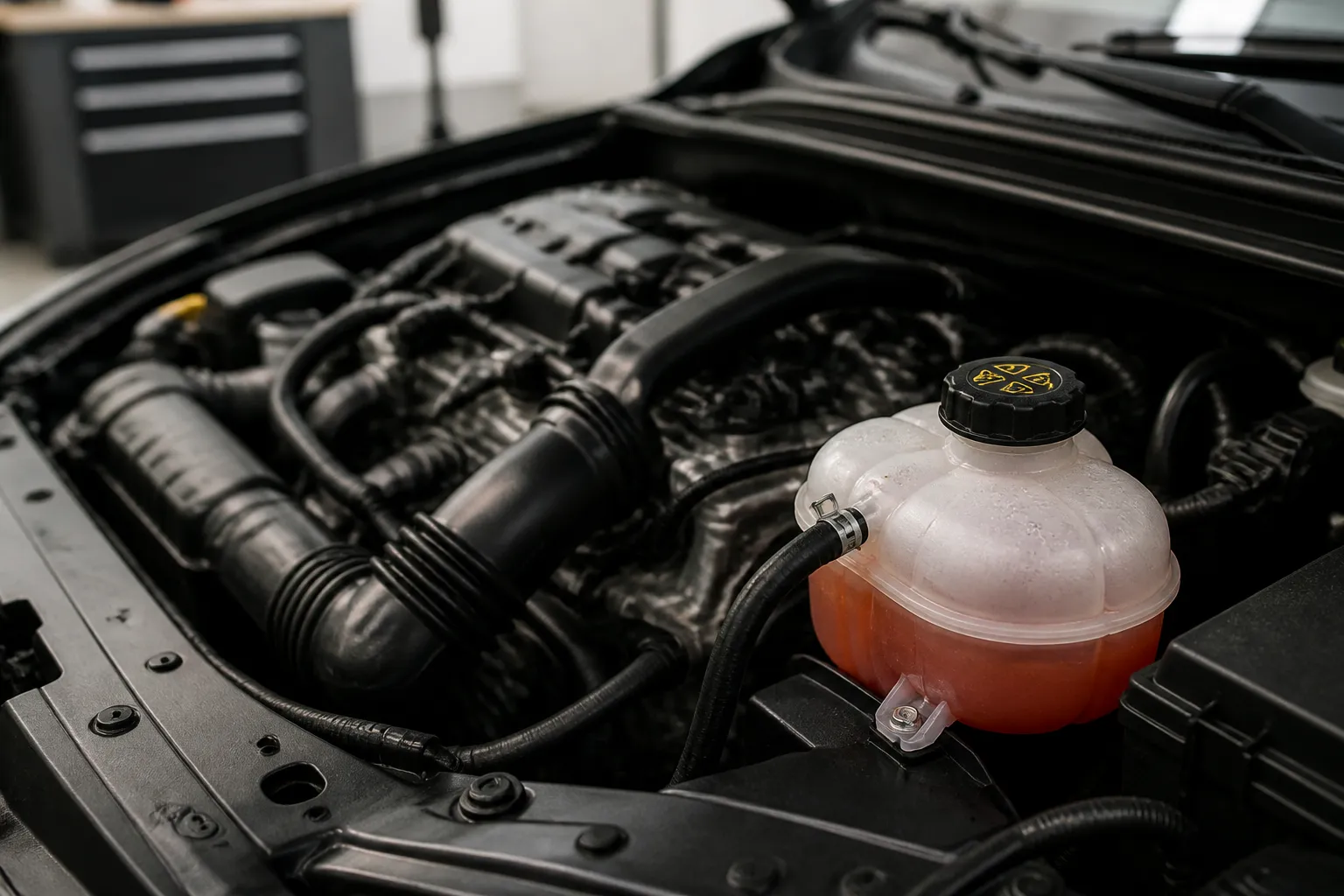
A check engine light can turn a normal drive into a guessing game. Maybe the car feels sluggish, shakes at idle, stalls at a stop, or burns more fuel than usual. When the dashboard warning stays on, or the vehicle starts acting differently, engine diagnostics can help uncover what the car is trying to tell you.
At Cruiser Auto Repair, we help drivers across Glen Burnie identify the source of engine trouble before a small issue grows into a bigger repair. Our process focuses on real symptoms, fault codes, and the conditions that trigger them, so you get a clearer path forward instead of a vague guess.
Engine problems do not always start with a dramatic breakdown. Often, the vehicle gives subtle clues first. Paying attention to those clues can help narrow down the cause and speed up the repair process.
If your car is showing one or more of these signs, the issue may be related to sensors, ignition components, air and fuel delivery, emissions controls, or a more involved mechanical concern. A scan alone does not always tell the whole story, which is why a careful diagnostic process matters.
Engine diagnostics look beyond the warning light. The goal is to connect the code, the symptom, and the driving condition that caused the problem. That approach helps avoid replacing parts that were not actually at fault.
When a vehicle comes in, we may review stored trouble codes, inspect related components, and look for signs that support the code data. Depending on the complaint, the diagnostic process may point toward one of several common systems.
Misfires can come from worn spark-related parts, weak electrical connections, or other ignition concerns. If the engine shakes, hesitates, or runs rough, spark delivery is often one of the first places to check.
An engine needs the right mix of air and fuel to run well. If that balance is off, the car may feel underpowered, stall, or run inconsistently. Diagnostics can help identify whether the issue is tied to sensors, fuel delivery, or airflow concerns.
Modern engines depend on sensors to make decisions about timing, fuel, and emissions. When a sensor sends the wrong signal, the vehicle may run poorly even though the car still starts and moves.
At Cruiser Auto Repair, we take a structured approach so the results are useful, not confusing. After a first look at the concern, we move through the most likely causes and check whether the evidence matches the complaint.
This process is especially helpful when a vehicle has multiple symptoms at once. A rough-running engine, for example, may involve more than one issue, and the diagnostic work should sort through the possibilities carefully.
Some engine problems show up only under certain conditions. A car may seem fine during a short drive, then act up when accelerating, idling, or cruising at highway speed. That is one reason it helps to describe when the problem happens, not just what the dashboard light says.
Here are a few details that can make diagnosis more efficient:
Even if the problem comes and goes, it is worth checking. Intermittent faults can still store codes and leave clues that point to the source.
Waiting too long to address engine warning signs can make a repair more complicated. A simple sensor or ignition issue may lead to rough running, poor performance, or added strain on related parts if it is ignored.
Prompt diagnostics can also save time during repair planning. Instead of replacing parts one by one until the symptom disappears, a focused inspection helps identify the actual failure point sooner. That is especially valuable when the vehicle still drives, but does not feel right.
For drivers near the MVA area and across Glen Burnie, getting the engine checked early can help keep daily driving more predictable. If the car is still running, that does not mean the concern should be put off. A warning light is often the car’s way of asking for attention before a larger breakdown occurs.
Every diagnostic result is different, but many engine-related concerns lead to a few familiar repair paths. The right fix depends on what the inspection reveals, not just on the code itself.
If the issue traces back to spark or misfire concerns, the repair may involve ignition-related components. These faults often show up as shaking, hesitation, or a flashing warning light.
Faulty sensors can cause the engine computer to make poor adjustments. When a sensor gives incorrect input, the car may run unevenly or lose performance.
When the engine is not getting the right balance of air and fuel, the fix may involve correcting the source of that imbalance so the vehicle responds the way it should.
We also handle related mechanical concerns such as general maintenance, brake repair, AC repair, battery replacement, wheel alignment, transmission service, alternator repair, and ABS diagnostics when those services are part of the overall repair picture.
Engine diagnostics matter when you rely on your vehicle for errands, work, and daily travel around Glen Burnie. A warning light can appear at any time, and the sooner the cause is checked, the easier it is to plan the right repair.
Cruiser Auto Repair is located at 87 Dover Rd NE Ste E, Glen Burnie, MD 21060, USA. If your car is acting differently or the check engine light has stayed on, bring it by and let us take a look. We also assist drivers from Pasadena, Baltimore, Annapolis, and Hanover who need clear answers for engine concerns.
Along with diagnostics and repair work, we can help with extended warranty repairs and work with the warranty company on the customer’s behalf. We also provide premium car accessories for drivers looking to add convenience or style after the main repair is addressed.
It means the vehicle computer has detected a problem somewhere in the engine or emissions-related systems. The light itself does not identify the exact part, which is why diagnostics are important.
Sometimes, but it depends on how the car is behaving. If the engine is shaking, stalling, or the light is flashing, the vehicle should be checked soon because the problem may be more serious.
Many codes describe a system, not a single part. That is why code reading should be paired with inspection and testing to find the real source.
Even if the light turns off, the system may still have stored information about the fault. An intermittent issue can return, so it is still worth checking.
Yes. Rough idle is one of the most common reasons drivers seek diagnostic service. It can point to ignition, fuel, air, or sensor concerns.
Share the symptoms, when they happen, and whether the check engine light is on or flashing. Details like hard starting, stalling, or poor acceleration help narrow the diagnostic path.
If your vehicle needs engine diagnostics, contact Cruiser Auto Repair at +14105828990 or email cruiserautorepair@gmail.com. We are open Monday through Friday from 8:00 AM to 4:00 PM. Bring your concerns to a shop that listens to the symptoms, checks the evidence, and gives you a clear next step for your car.

Book Your Visit
Tell us what your vehicle needs, whether it is scheduled maintenance, a warning light, brake concerns, or help with a breakdown. Our team is ready to help you move forward with clear communication and efficient service.